

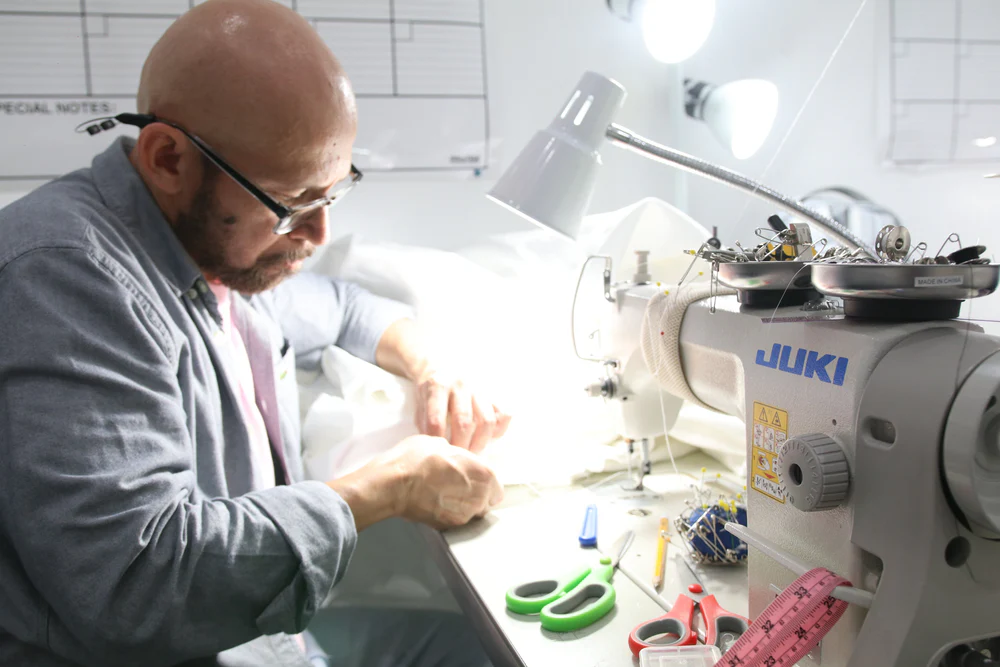
A wedding dress is not just an outfit. It bears emotion, memories, and dreams. It takes brides months to find their ideal gown. But even the loveliest gown is seldom without some degree of tailoring required straight from the rack. Which is why bridal alterations can be so important.
Professional alterations guarantee the dress fits snugly and falls perfectly at every angle. On such an important day, every aspect count.
Why Wedding Dresses Need Alterations?
Wedding dresses are typically produced in standard sizes. But no two brides’ bodies are alike. Even small differences in height, shoulders, waist, or bust can change how the dress hangs.
Through careful bridal alterations, a gown is sculpted to the bride’s body. This process makes the dress better without altering its design.
Proper alterations help the gown:
- Fit smoothly along the body
- Stay comfortable for hours
- Easy to move when walking and dancing
- Look elegant in photographs
These minute changes result in a refined and elegant end product.
The Most Common Bridal Alterations
The adjustments that need to be made will vary based on the wedding gown design and the fabric. Craftspeople study the structure of the dress before modifying it.
Typical bridal alterations include:
- Hemming the gown to fit the bride’s height
- Making adjustments to the bodice for a snug fit
- Shortening or reshaping sleeves
- Adding bust support or padding
- Bustling the train if you created or made adjustments
On their own, they sound easy enough − for a pro.
When to Begin the Evolutionary Process?
When it comes to successful bridal alterations, timing is everything. If you start too late, you will unnecessarily over-stress yourself before the wedding.
Most experts advise starting the process two to three months out from the ceremony. This gives enough time for multiple fittings.
A typical timeline includes:
- First fitting: Adjustments and measurements
- Second fitting: Tweak the shape and structure
- Last-minute fittings: The dress must be absolutely perfect.
This means avoiding surprises at the end of a schedule.
How Alterations Improve Comfort?
The time coverage for a wedding can range for several hours. Brides move, be still, embrace visitors and boogie during the festivity. A gown that isn’t fitted well can quickly become uncomfortable.
Bridal alterations that have been executed properly will help the dress fit securely and comfortably. The bride can move freely without worrying about slipping straps or tight seams.
Comfort also improves confidence. With the right fit, there’s one less thing to worry about, and the bride can enjoy herself.
Choosing the Right Professional
Not every dressmaker specializes in wedding gowns. Bridal gowns tend to incorporate intricate lace, elaborate beadwork and layered fabrics.
Ask what to look for in a wedding seamstress:
A seasoned professional knows how to minimize altering the dress while still making significant changes.
The Last Touch Before the Big Day
A wedding dress is one of the most significant garments a person will ever don. The difference between a fit and “the one” often comes down to expert bridal alterations.
With careful tweaks, the gown fits beautifully to the body, photographs well and is comfortable all day long.
Ultimately, these final stitches are what take a pretty dress to the perfect bridal outfit.
