

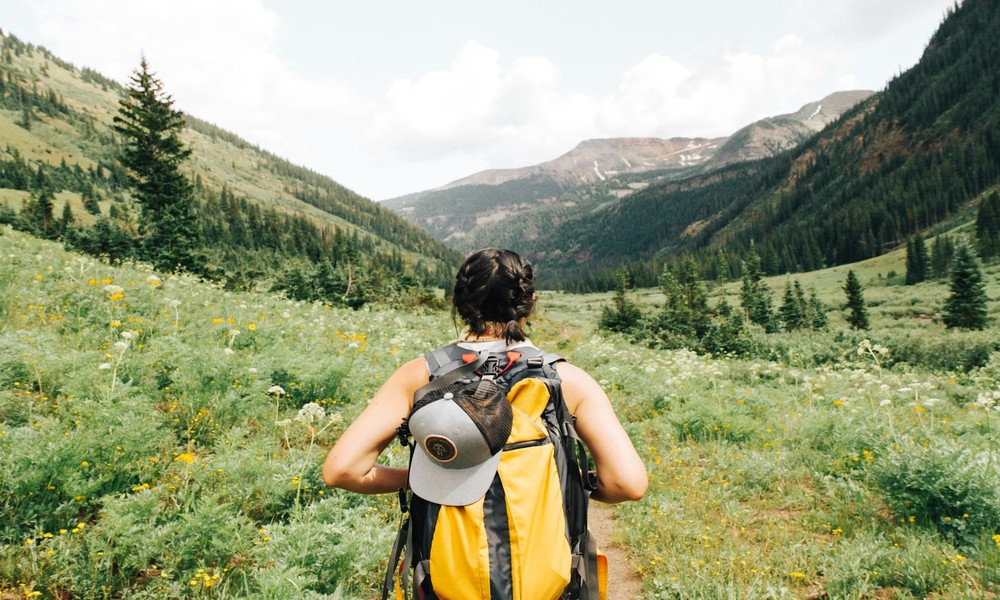
There is a particular kind of day that starts early, stretches longer than expected, and ends somewhere completely different to where it began. A walk that turns into a hike. A quick coffee that becomes an afternoon in the sun. Dressing for it can feel oddly complicated, but it does not need to be.
The trick is not to plan every detail. It is to build an outfit that can quietly adapt as the day unfolds.
Start with clothes that can move with you
If something feels restrictive when you first put it on, it will feel worse five hours later. Long days outdoors have a way of revealing every uncomfortable seam and awkward fit.
Lightweight fabrics tend to do most of the work. Cotton, linen blends, and breathable technical materials are reliable choices, especially when the weather is unpredictable. You want pieces that allow air to move, rather than trap heat.
Loose does not have to mean shapeless. A well cut oversized shirt, relaxed trousers, or a soft dress can still look considered while giving you the freedom to walk, sit, and stretch without thinking about it.
Layers make more sense than outfits
Trying to get the perfect single outfit often leads to overthinking. Layers are easier. They give you options without needing to commit.
A simple base layer, something like a t shirt or vest, works under almost anything. Add a shirt or lightweight jacket that can be taken off and tied around your waist when the temperature rises. A knit or hoodie might seem unnecessary at midday, but it becomes useful as the light fades.
The aim is not to carry half your wardrobe. It is to have just enough flexibility that you are not caught out.
Footwear should never be an afterthought
It is tempting to choose shoes based on how they look in the mirror. Long days outdoors quickly shift the focus to how they feel.
Trainers, well broken in boots, or supportive sandals are usually the safest options. Anything brand new is a risk. Even the smallest discomfort at the start can turn into something much more noticeable by mid afternoon.
There is also something reassuring about knowing you can walk further than you planned. Good footwear gives you that freedom without needing to think about it.
Keep accessories practical, not performative
Accessories are often where outfits tip into overthinking. For long outdoor days, they work best when they are chosen for a reason.
A cap or hat can make a real difference when the sun is strong. A crossbody bag or small backpack keeps your hands free and your essentials close. Sunglasses, of course, are less about style and more about comfort when you are outside for hours.
If you are doing anything active, even casually, sports glasses come into their own. They stay in place, handle movement well, and offer consistent protection without needing adjustment. It is a small detail, but one that quietly improves the whole experience.
Think about what you will carry
Part of dressing well for a long day outdoors is accepting that you will probably be carrying a few extra things. Water, sunscreen, maybe a snack, and whatever layers you shed along the way.
This is where balance matters. You do not want to feel weighed down, but you also do not want to be unprepared. A compact bag with just the essentials is usually enough.
It also helps to wear pieces that do not demand constant attention. If you are adjusting straps, fixing hems, or worrying about creases, it takes you out of the day itself.
Colours and fabrics that age well through the day
Outfits can look very different after several hours outside. Sunlight, movement, and even a bit of dust or grass all leave their mark.
Neutral tones and slightly textured fabrics tend to handle this better. They do not show every crease or mark, and they often look better with a bit of wear. Crisp, delicate pieces might look good at the start, but they rarely hold up by the end.
There is something to be said for clothes that look just as good slightly rumpled as they do freshly pressed.
Let comfort guide your decisions
It sounds obvious, but it is easy to ignore. When something feels right, you stop thinking about it. That is the point.
The best outfits for long days outdoors are the ones you forget you are wearing. They allow you to focus on where you are, who you are with, and what you are doing, rather than how you look.
Even details like sports glasses fit into this idea. Once they are on, they simply do their job, letting you see clearly and comfortably without distraction.
You do not need a complicated formula. A few thoughtful choices, a bit of flexibility, and an understanding of what you actually need will take you further than any perfectly planned outfit ever could.
Dressing well for long days outdoors is less about getting everything right at the start, and more about making sure nothing gets in your way as the day unfolds.
